Whether you want to refine your appearance or resolve breathing issues, our compassionate surgeons provide safe, customized care to help you achieve your goals.
Whether you want to refine your appearance or resolve breathing issues, our compassionate surgeons provide safe, customized care to help you achieve your goals.
Redefine Your Confidence with Expert Rhinoplasty Consultation Services!
Enhance your confidence with professional rhinoplasty consultation services. Our expert team offers personalized advice, helping you achieve your desired nose shape and boost self-assurance through tailored solutions and careful, experienced guidance every step of the way.
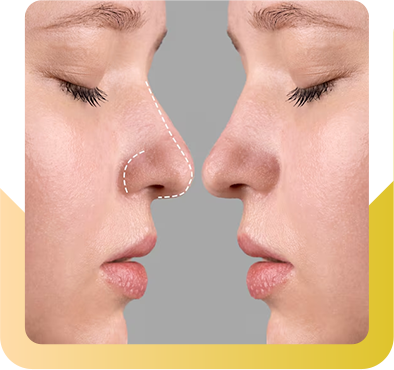
Bulbous Tip: Reshapes a large, round, or poorly defined nasal tip.
Upturned Nose: Adjusts an overly upturned nose or visible nostrils.
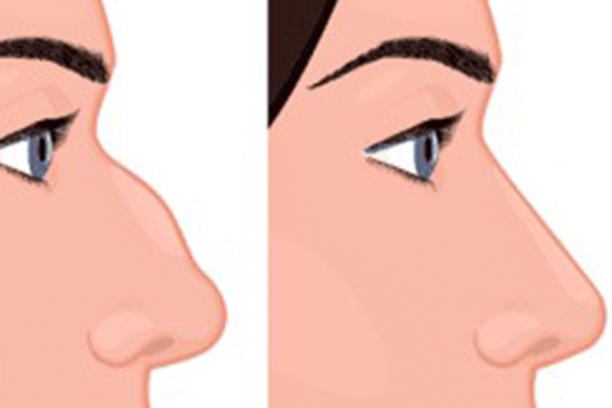
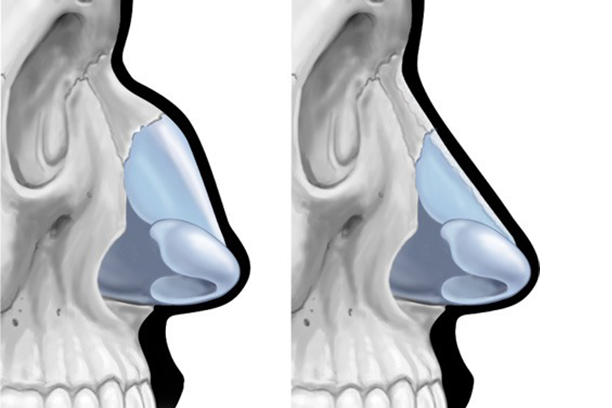
Hooked Nose: Straightens a downward-curving nose.
Droopy Nose: Lifts the nasal tip to eliminate a droopy look.
Wide or Small Nostrils: Adjusts nostril size for better proportion.
Nasal Bridge Irregularities: Smooths dips, bumps, or irregularities.
Corrects Structural and Functional Issues:
Deviated Septum: Improves breathing by correcting a deviated septum.
Facial Balance: Adjusts nose size to enhance facial symmetry.
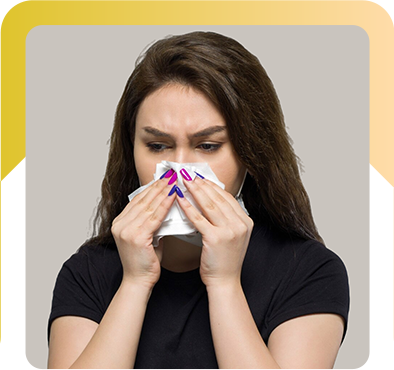
Blocked Nasal Passages: Opens obstructed nasal passages for easier breathing.
How to Prepare for Rhinoplasty
Medical History Review – Discuss reasons for surgery (cosmetic or functional), overall health, past nasal issues, previous surgeries, and medications.
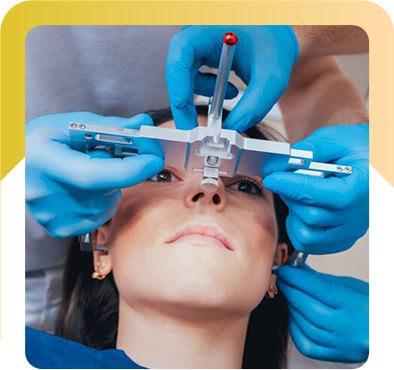
Physical Examination – The surgeon assesses facial structure, nasal interior, and breathing function, especially for conditions like a deviated septum.
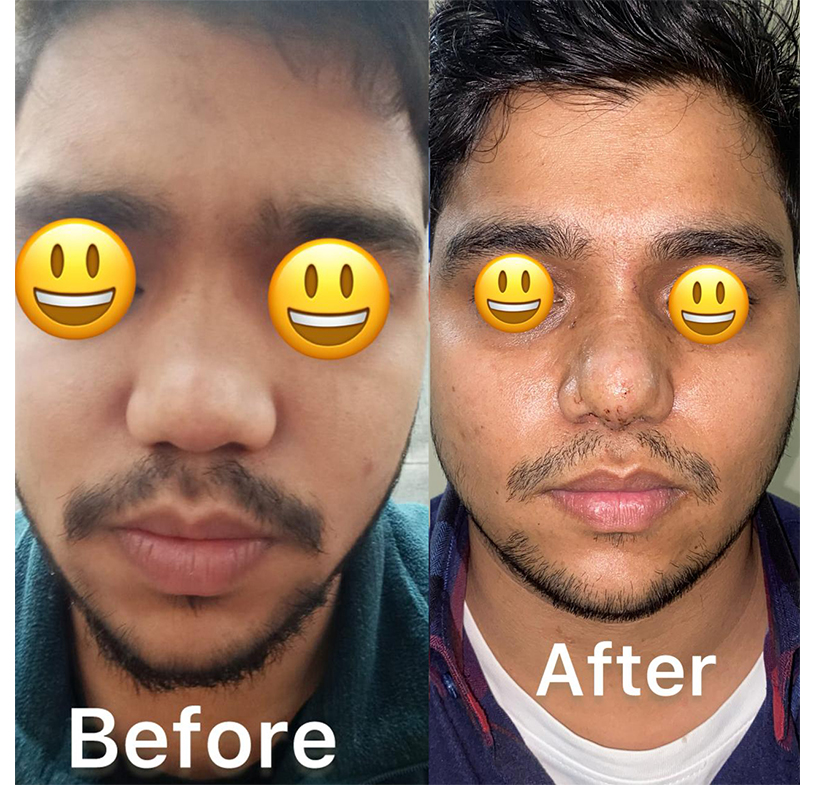
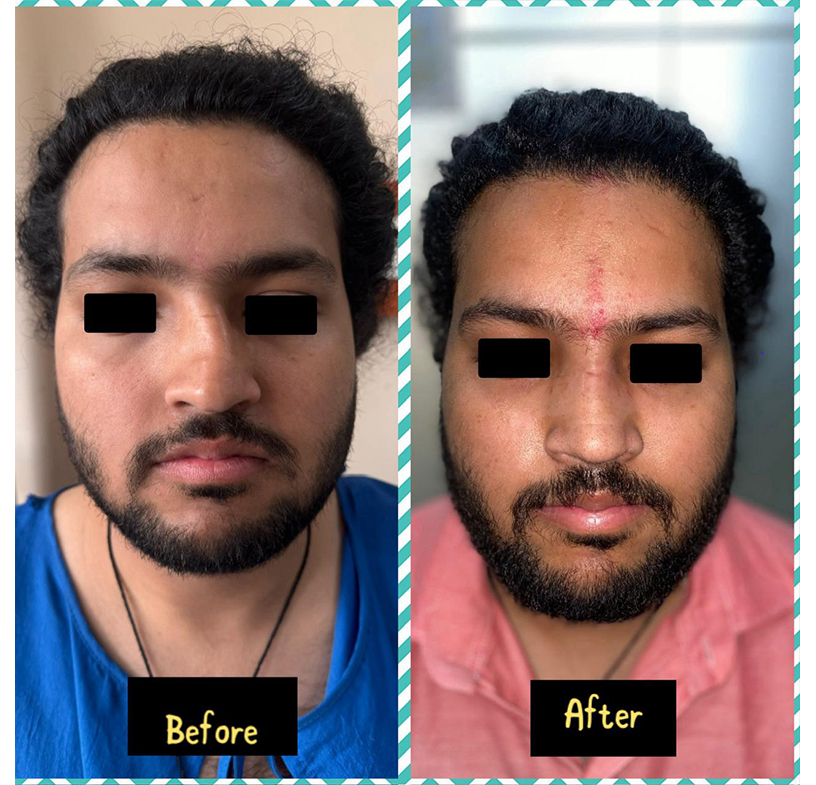
Photographs – Pre-surgery photos are taken from multiple angles for before-and-after documentation.
Discussion of Expectations – Have an open conversation about goals, realistic outcomes, and any concerns about appearance or breathing. Proper discussions and assessments ensure you are well-prepared and that expectations align with surgical possibilities.
Advantages, Risks, and Recovery of Rhinoplasty
Advantages:
Enhances Facial Aesthetics – Reshapes the nose to create better symmetry and balance with other facial features.
Corrects Structural Issues – Fixes problems like a deviated septum, reducing nasal blockages and improving airflow.
Improves Breathing – Addresses internal obstructions such as enlarged turbinates for easier breathing.
Boosts Confidence – Helps individuals feel more comfortable with their appearance.
Repairs Nasal Injuries – Corrects deformities from accidents, sports injuries, or birth defects.
Reduces Snoring & Sleep Issues – By improving airflow, it can reduce snoring and enhance sleep quality.
Customizable Procedure – Can focus on tip refinement, bridge correction, nostril reshaping, or overall nose size reduction/enlargement.
Risks:
Surgical Complications – Infection, nosebleeds, and delayed wound healing are possible.
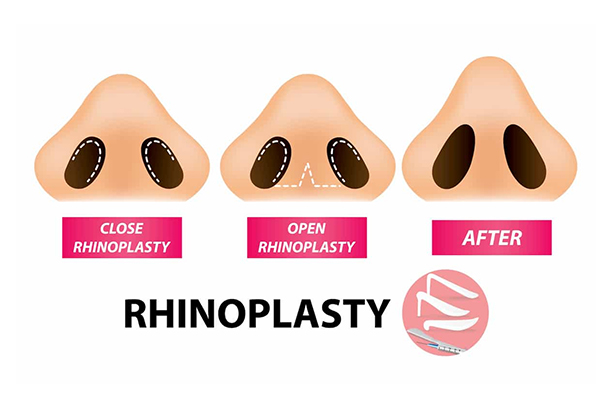
Scarring – While most scars are internal, some cases may lead to visible scars, especially in open rhinoplasty.
Nasal Septal Perforation – A rare complication where a hole forms in the septum, causing breathing issues.
Unsatisfactory Results – Some patients may not be happy with the final appearance, requiring revision surgery.
Temporary or Permanent Altered Sense of Smell – Some experience a temporary loss, while others might have lasting effects.
Skin Discoloration & Swelling – Bruising and skin discoloration can take weeks to fade.
Breathing Difficulties – Some patients may experience temporary congestion or persistent nasal obstruction.
Recovery & Precautions:
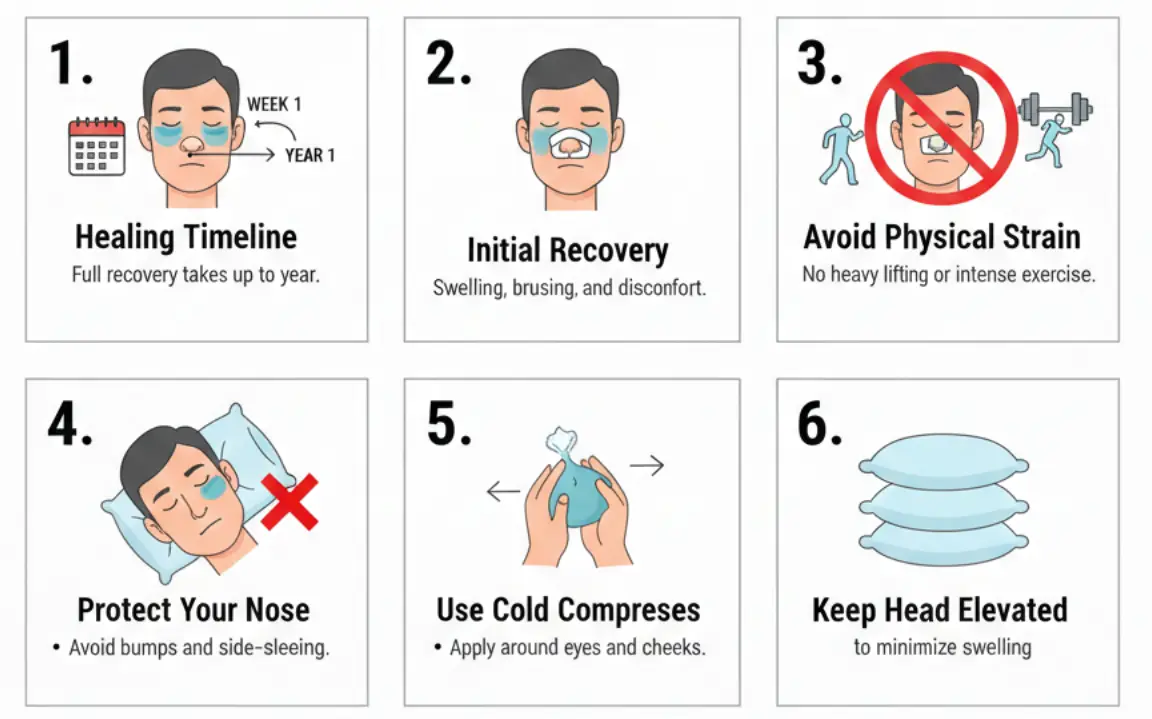
Healing Timeline – Full recovery takes up to a year, though major swelling subsides within 4–6 weeks.
Initial Recovery – Expect swelling, bruising, and minor discomfort in the first few weeks.
Avoid Physical Strain – No heavy lifting, vigorous exercise, or sports for at least 4–6 weeks.
Protect Your Nose – Avoid any accidental bumps or pressure, including sleeping on your side.
Use Cold Compresses – Apply around the eyes and cheeks (not directly on the nose) to reduce swelling.
Keep Head Elevated – Sleep on your back with pillows to minimize swelling.