
Expert Allergy Care for a Healthier You
Breathe Easy, Live Free – Your Allergy Relief Starts Here!
Expert allergy care: Our allergy specialists provide personalized care to help you conquer allergies and live a healthier, more comfortable life—schedule your consultation today!
Expert Allergy Care for a Healthier You
Breathe Easy, Live Free – Your Allergy Relief Starts Here!
Expert allergy care: Our allergy specialists provide personalized care to help you conquer allergies and live a healthier, more comfortable life—schedule your consultation today!
Consultation
Top allergy and immunology consultation and treatment services.
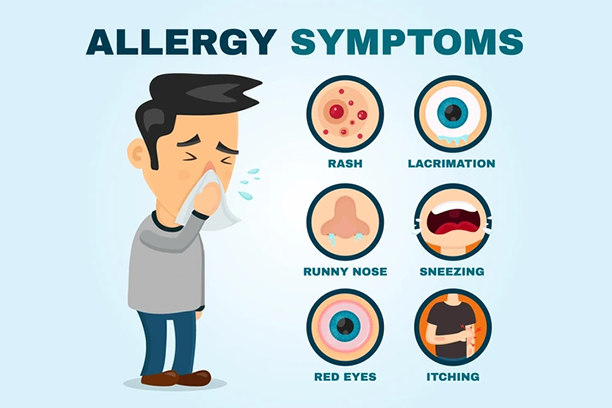
Allergic rhinitis is a condition where the immune system overreacts to allergens (substances that trigger an allergic response), typically leading to inflammation in the nasal passages. It’s often referred to as “hay fever.” The symptoms can vary in severity and include:
- Sneezing
- Runny or stuffy nose
- Itchy nose, eyes, throat, or ears
- Watery, red, or swollen eyes (allergic conjunctivitis)
- Post-nasal drip (mucus dripping down the throat)
- Coughing
It can be triggered by allergens like pollen, dust mites, pet dander, mold, and cockroach droppings. There are two main types:
- Seasonal allergic rhinitis: Triggered by pollen from trees, grasses, or weeds, typically during certain times of the year (spring, summer, or fall).
- Perennial allergic rhinitis: Occurs year-round, usually triggered by indoor allergens like dust mites, pet dander, or mold.
The diagnosis of allergic rhinitis typically involves a combination of medical history, physical examination, and allergy testing.
Allergy Testing
If we want to confirm which allergens are triggering the symptoms, ENT/Allergy Specialist might recommend allergy testing. Two common methods are:
a. Skin Prick Test (Scratch Test)
- Small amounts of various allergens (like pollen, dust, mold, or pet dander) are applied to your skin, typically on your forearm or back.
- The skin is then pricked or scratched, allowing the allergen to enter.
- If you're allergic to a substance, you'll develop a small raised bump at the test site within 15-20 minutes.
- It's fast, inexpensive, and typically well-tolerated.
b. Blood Test (Specific IgE Test)
- This test measures the level of IgE antibodies in your blood, which are produced in response to allergens.
- It’s typically used if you can't undergo a skin test (e.g., if you have severe eczema or are on medications that interfere with skin testing).
- This test may take longer to process and can be more expensive than a skin prick test.
Differential Diagnosis
Sometimes, other conditions need to be ruled out, such as:
- Non-allergic rhinitis: A type of rhinitis not caused by allergens but by other factors like infections, medications, or irritants.
- Sinusitis: Inflammation or infection of the sinuses can mimic allergy symptoms.
- Nasal polyps: Growths inside the nose that can lead to congestion and other symptoms similar to allergic rhinitis.
Treatment options:
- Antihistamines: Help relieve symptoms like sneezing, itching, and runny nose.
- Decongestants: Can reduce nasal congestion.
- Nasal corticosteroids: Reduce inflammation and are effective in controlling symptoms.
- Allergy shots (immunotherapy): May be used for more severe cases, gradually desensitizing the immune system to allergens.
How Immunotherapy Works:
Immunotherapy involves exposing the immune system to gradually increasing amounts of the allergens that trigger allergic reactions. Over time, this helps desensitize the body, so it stops overreacting to these allergens. This process can reduce the severity of allergy symptoms and even lead to long-term relief, even after the treatment ends.
Types of Immunotherapy:
Subcutaneous Immunotherapy (SCIT) – Allergy Shots:
- This is the most common form of immunotherapy. Small amounts of the allergen are injected into the skin (usually under the arm or on the upper arm).
Sublingual Immunotherapy (SLIT) – Allergy Tablets or Drops:
- SLIT involves placing a tablet or drops containing small amounts of allergens under the tongue. It’s commonly used for certain types of allergies, particularly pollen, grass, and ragweed.
- SLIT is an option for people who prefer not to undergo injections, but it may not be as widely available or as effective for all allergens.
Benefits of Immunotherapy:

Long-term Relief:
- Immunotherapy can provide lasting relief from allergic rhinitis and other allergic conditions. Even after treatment stops, many people experience a significant reduction in symptoms that can last for years.
- It is considered the only treatment that targets the root cause of allergies, rather than just masking symptoms.
Reduction in Medication Use:
- Many patients who undergo immunotherapy find they can reduce or stop using medications like antihistamines or nasal sprays over time.
- This can be especially beneficial for those with seasonal allergies who want to avoid long-term medication use or for those whose medications don’t fully control their symptoms.
Prevention of New Allergies:
- Immunotherapy may help prevent the development of new allergies in patients who are sensitive to one allergen but haven’t yet developed reactions to others.
Treatment for Multiple Allergens:
- Immunotherapy can be tailored to target a specific set of allergens, so people with multiple sensitivities (like pollen, dust mites, and pet dander) can undergo treatment for all their triggers.
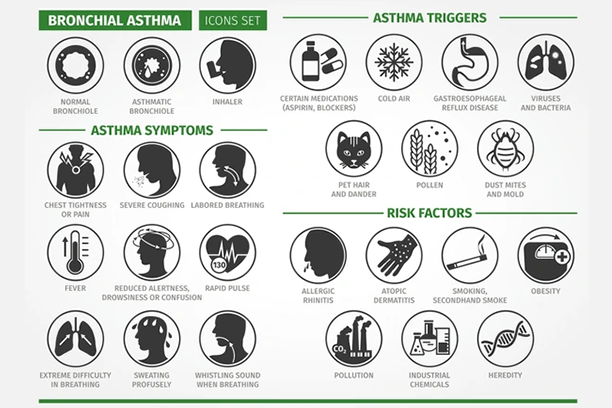
Reduced Risk of Asthma: Some studies suggest that immunotherapy can help prevent the progression of allergic rhinitis to asthma, especially in children. By treating the underlying allergic reactions, it may reduce the risk of developing asthma symptoms.

Our Recent Blogs
Monsoons are very heartily welcomed and always have brought joy, abundance of life and vegetation but alongside comes illness and
Not everyone will visit an ENT in their lifetime, they never might have been affected or they are blissfully unaware
Children are very resilient. From the age of 6 months to 2 years, a child has a developing immune system
It is the most commonly self diagnosed and self treated condition. It is estimated that one in every 8th person
Snoring is the resultant sound that occurs when two relaxed surfaces collapse into each other during a sleep cycle. Snoring
Have you experienced that nagging or intense pain during take off which settled down over the course of flight only